BeEF for Penetration Testing plays an important role in modern cybersecurity because protecting servers, networks, and databases alone is no longer enough. Many successful attacks begin from the client side, where users interact with websites, browsers, extensions, and web applications. Even when a company has strong server security, weaknesses in browser-based environments can create opportunities for attackers. By analyzing these client-side risks, security professionals can identify weaknesses and improve browser security defenses through controlled penetration testing.
This is where BeEF (Browser Exploitation Framework) becomes important in professional penetration testing. BeEF is a security testing framework designed to help ethical hackers and security professionals understand browser-based risks and evaluate client-side security weaknesses.
Unlike traditional penetration testing tools that mainly focus on servers or network infrastructure, BeEF focuses on the browser as an attack surface. It allows authorized security testers to analyze how browsers behave when exposed to certain security conditions and helps organizations improve their defenses.
This beginner’s guide explains what BeEF is, how it fits into penetration testing, why client-side security matters, common security lessons from BeEF testing, and how businesses can protect users from browser-based threats.
What Is BeEF?
BeEF stands for Browser Exploitation Framework. It is an open-source penetration testing framework created to demonstrate browser security weaknesses in controlled environments.
The main purpose of BeEF is not to attack random users or compromise unauthorized systems. Instead, security professionals use it during authorized assessments to understand browser-related vulnerabilities and measure the effectiveness of security controls.
Traditional security testing often focuses on:
- Servers
- Firewalls
- Operating systems
- Databases
- Network infrastructure
BeEF focuses on:
- Web browsers
- Client-side scripts
- Browser security settings
- User interaction risks
- Web application behavior
A browser is a powerful application that executes code, stores information, communicates with websites, and interacts with different online services. Because of this, browser security is a critical part of modern cybersecurity.
Why Client-Side Security Matters
Many organizations invest heavily in protecting their backend systems, but users’ browsers are often overlooked.
A modern employee may access:
- Cloud applications
- Internal dashboards
- Email platforms
- Banking systems
- Customer portals
- Collaboration tools
through a browser every day.
If a browser environment is poorly protected, attackers may attempt to take advantage of:
- Unsafe browser configurations
- Outdated software
- Weak security policies
- Malicious websites
- Social engineering techniques
Client-side security focuses on reducing these risks by protecting the user’s environment.
How BeEF Fits Into Penetration Testing
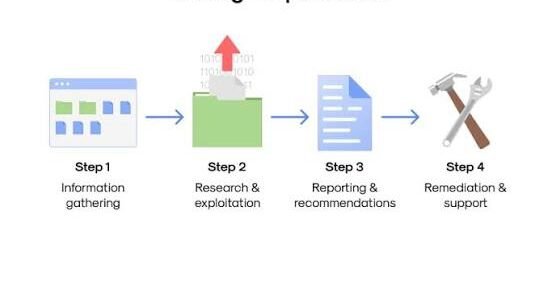
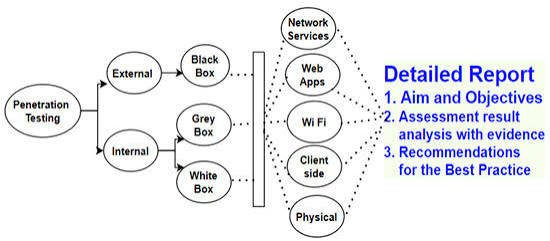
Professional penetration testing usually follows several stages:
- Planning and authorization
- Information gathering
- Vulnerability assessment
- Security testing
- Reporting and remediation
BeEF is generally used during the security testing stage when assessing client-side risks.
A penetration tester may use BeEF to answer questions such as:
- How secure are company browsers?
- Are browser security policies effective?
- Are users exposed to unnecessary risks?
- Do existing defenses detect suspicious browser activity?
- Are security controls working as expected?
The goal is not simply finding weaknesses. The real goal is helping organizations understand risks and improve security.
BeEF vs Traditional Penetration Testing Tools
Different security tools are designed for different purposes.
| Security Area | Traditional Tools | BeEF Focus |
|---|---|---|
| Network security | Network scanning and analysis | Limited focus |
| Server vulnerabilities | Server testing tools | Limited focus |
| Browser security | Limited coverage | Main focus |
| Client-side behavior | Partial testing | Primary purpose |
| User environment risks | Limited visibility | Stronger analysis |
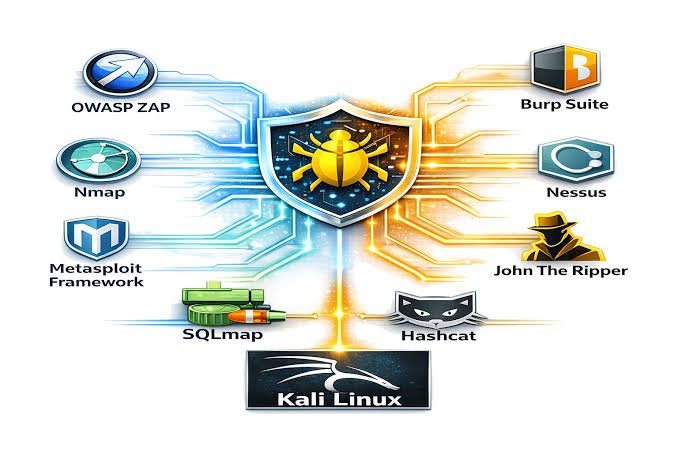
BeEF does not replace other penetration testing tools. Instead, it complements them by focusing on an area that is often missed.
Common Security Lessons From BeEF Testing
BeEF assessments can reveal important security weaknesses related to browser environments.
1. Importance of Browser Updates
Outdated browsers can contain security weaknesses that attackers may attempt to exploit.
Organizations should maintain:
- Automatic updates
- Supported browser versions
- Security monitoring
- Regular software reviews
Keeping browsers updated is one of the simplest ways to reduce client-side risks.
2. The Risk of Unsafe Web Practices
Users frequently interact with websites, downloads, advertisements, and online services.
Security awareness training should teach users:
- Avoid suspicious links
- Verify website authenticity
- Be careful with unknown downloads
- Report unusual browser behavior
Technology alone cannot solve every security problem. Human awareness remains important.
3. Importance of Security Headers
Website security headers help browsers understand how content should be handled.
Important security controls include:
- Content Security Policy (CSP)
- HTTP Strict Transport Security (HSTS)
- Secure cookie settings
- Protection against unwanted content execution
Proper configuration reduces many browser-based risks.
4. Web Application Security
Because browsers interact directly with web applications, application security plays an important role.
Developers should focus on:
- Secure coding practices
- Input validation
- Authentication protection
- Session security
- Regular security reviews
A secure web application reduces risks for both users and organizations.
Beginner Understanding: How Browser-Based Testing Works
At a high level, browser security testing examines how a browser responds under specific security conditions.
A professional tester may evaluate:
- Browser configuration
- Security controls
- Application behavior
- User awareness
- Defensive monitoring
The testing process is performed inside an approved environment with clear permission.
Security testing without authorization can be illegal and may cause harm. Ethical hacking always requires written permission and a defined scope.
Requirements Before Using BeEF in Security Testing
Before any penetration testing activity, professionals should have:
Proper Authorization
Security testing must only be performed on systems where permission has been granted.
Organizations usually define:
- Testing scope
- Allowed methods
- Target systems
- Testing schedule
- Reporting requirements
A Controlled Environment
Beginners should learn security concepts using:
- Training labs
- Virtual machines
- Practice environments
- Cybersecurity learning platforms
Testing random websites or users is not ethical penetration testing.
Basic Security Knowledge
Before studying browser exploitation frameworks, beginners should understand:
- HTTP and HTTPS
- Web applications
- JavaScript basics
- Cookies and sessions
- Authentication concepts
- Common web vulnerabilities
A strong foundation makes security tools easier to understand.
Defensive Measures Against Browser-Based Threats
Organizations can reduce browser-related risks through multiple security practices.
Keep Browsers Secure
Recommended actions include:
- Enable automatic updates
- Remove unnecessary extensions
- Use enterprise browser policies
- Disable risky features when unnecessary
- Monitor unusual activity
Use Strong Web Security Policies
Companies should implement:
- Secure authentication methods
- Multi-factor authentication
- Strong password policies
- Proper session management
Train Users Regularly
Security awareness programs should explain:
- Phishing risks
- Suspicious websites
- Unsafe downloads
- Social engineering attacks
A trained user is an important part of cybersecurity defense.
Monitor and Audit Regularly
Organizations should perform:
- Security assessments
- Browser configuration reviews
- Application testing
- Security policy audits
Regular reviews help identify weaknesses before attackers discover them.
Common Mistakes Beginners Make When Learning BeEF
Mistake 1: Treating It as an Attack Tool
Some beginners misunderstand BeEF and think it is mainly designed for attacking users.
The correct approach is understanding it as a security assessment framework used in authorized testing.
Mistake 2: Ignoring Legal Boundaries
Security tools must always be used responsibly.
Testing systems without permission can create legal consequences.
Mistake 3: Focusing Only on Tools
A common beginner mistake is learning commands without understanding security principles.
Strong cybersecurity professionals understand:
- Why vulnerabilities exist
- How defenses work
- How risks are reduced
Tools are only part of the learning process.
Mistake 4: Forgetting the Human Factor
Many client-side attacks involve user behavior.
Technical defenses should always be combined with security education.
Is BeEF Useful for Beginners?
BeEF can be useful for beginners who already understand basic cybersecurity concepts.
It helps learners understand:
- Browser security
- Client-side risks
- Web application weaknesses
- Defensive security practices
However, beginners should first build knowledge in:
- Networking
- Web technologies
- Secure coding
- Ethical hacking principles
Learning security fundamentals creates a stronger foundation than focusing only on one tool.
Career Importance of Client-Side Security Knowledge
Cybersecurity professionals increasingly need to understand browser and application security.
Knowledge of client-side security can help professionals working in areas such as:
- Penetration testing
- Application security
- Security consulting
- Vulnerability assessment
- Red team operations
- Security awareness
Organizations need professionals who can identify weaknesses and recommend practical improvements.
Frequently Asked Questions
What is BeEF used for?
BeEF is used by authorized security professionals to evaluate browser security and understand client-side vulnerabilities during penetration testing.
Is BeEF illegal?
BeEF itself is a security testing framework. Using it without permission against systems or users can be illegal. Ethical use requires authorization.
Does BeEF replace other penetration testing tools?
No. BeEF focuses specifically on browser security and works alongside other security assessment tools.
Can beginners learn BeEF?
Yes, but beginners should first understand cybersecurity basics, web technologies, and ethical hacking principles.
How can organizations protect against browser-based threats?
Organizations can improve protection through browser updates, security policies, user training, secure web applications, and regular security assessments.
Conclusion
Client-side security has become an important part of modern cybersecurity because browsers are often the connection point between users, applications, and online services.
BeEF provides security professionals with a way to study browser-related risks during authorized penetration testing. It helps organizations understand weaknesses, improve defenses, and strengthen their overall security posture.
For beginners, the most important lesson is that cybersecurity is not only about learning tools. Effective security requires understanding how technology, users, applications, and defenses work together.
By combining security knowledge, ethical testing practices, and strong defensive strategies, organizations can reduce browser-based risks and create safer digital environments.